

A 46-year gap Africa is ready to close
For more than four decades, Africa has been absent from the Formula 1 grid, a gap that dates back to Jody Scheckter, the 1979 world champion who retired in 1980.
Now, South African development organisation WORR Motorsport is working to change that, building a structured pathway aimed at taking young African drivers from karting all the way to the top tier of global racing.
Building a pathway, not just talent
According to founder, Wesleigh Orr, the issue has never been talent but rather access and structure.
The organisation is tackling this by creating a development system that removes key barriers, particularly the high cost of entry into motorsport. Through a manufacturing partnership with TB Kart, WORR is producing karts locally, already reducing costs by up to 30%, with plans to cut prices even further.
This move could significantly widen access to the sport, especially for young drivers who previously couldn’t afford to compete.
Early signs of progress
While the long-term goal is Formula 1, the programme is already showing results. Drivers from the WORR academy have competed and won in international competitions like the ROK Cup and Rotax Max Challenge, with several alumni racing professionally across Europe and Asia.
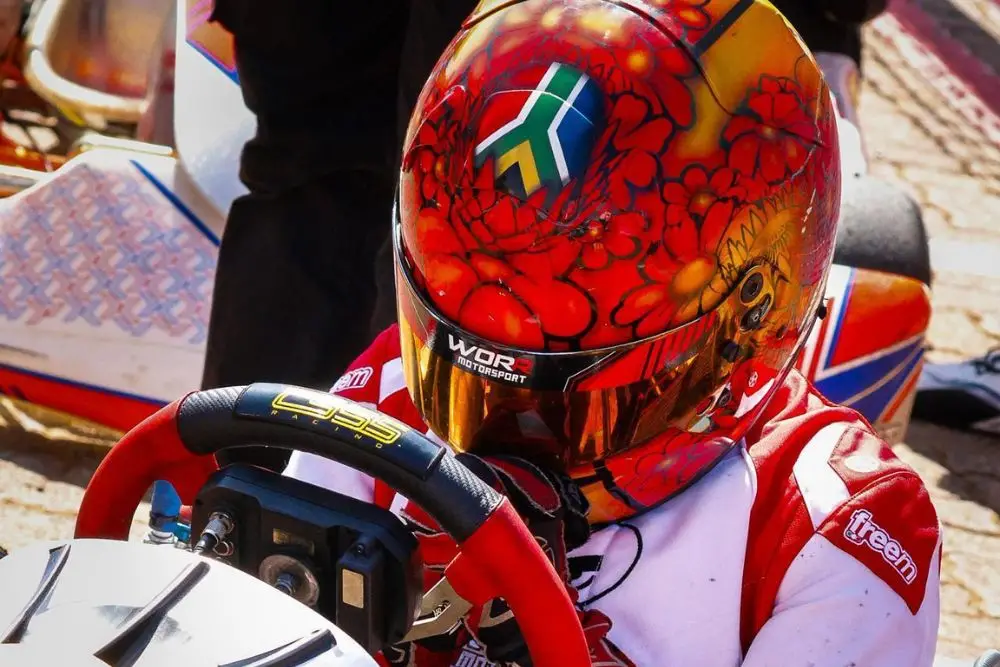
A major milestone is set for 2026, as Gianna Pascoal becomes Africa’s first female driver to enter Formula 4 through the programme – a critical step on the road to Formula 1.
Expanding across the continent
WORR’s ambitions extend beyond South Africa. Plans are underway to launch a fully operational karting hub in Rwanda within the next year, forming part of a broader network of development centres across Africa.
These hubs aim to do more than train drivers. They’re designed to build a full motorsport ecosystem, including engineers, mechanics, and analysts – roles essential to competing at the highest level.
Momentum and recognition
The programme is also gaining traction through initiatives like Karting Africa and upcoming events such as the Ghana Showrun, expected to draw thousands of spectators.
Discussions with FIA Africa are ongoing, signalling potential formal recognition from the sport’s global governing structure.
Scene Feed Thought
This is bigger than just racing; it’s about access. If the pipeline holds, Africa’s return to Formula 1 won’t just be symbolic; it’ll be long overdue proof that talent was never the problem, opportunity was.